
Contents
Table of Contents
- Why Flies Are A Food Safety Concern
- How Flies Spread Contamination
- Where House Flies Breed
- Signs Of A Growing Fly Problem
- A Seven-Step Prevention Plan
- Protecting Food And Food-Contact Surfaces
- When Traps Help And When They Do Not
- When To Call For Help
In Illinois, house flies can become especially noticeable when warm weather, backyard cookouts, full trash bins, pet waste, and frequently opened doors create easy access to food and shelter. Whether you live in a city apartment, a suburban home, or a rural property, the most reliable way to reduce flies is to remove what attracts them before they settle into the kitchen. For persistent activity, homeowners can also turn to Pointe Pest Control for help identifying conditions that may be supporting the problem.
Flies are fast, opportunistic insects. A clean-looking kitchen can still attract them if there is residue in a garbage can, overripe fruit on the counter, a pet bowl left out, or a gap in a window screen. The goal is not simply to swat the adults you see. It is to interrupt the food, moisture, breeding material, and entry points that allow more flies to appear.
Why Flies Are A Food Safety Concern
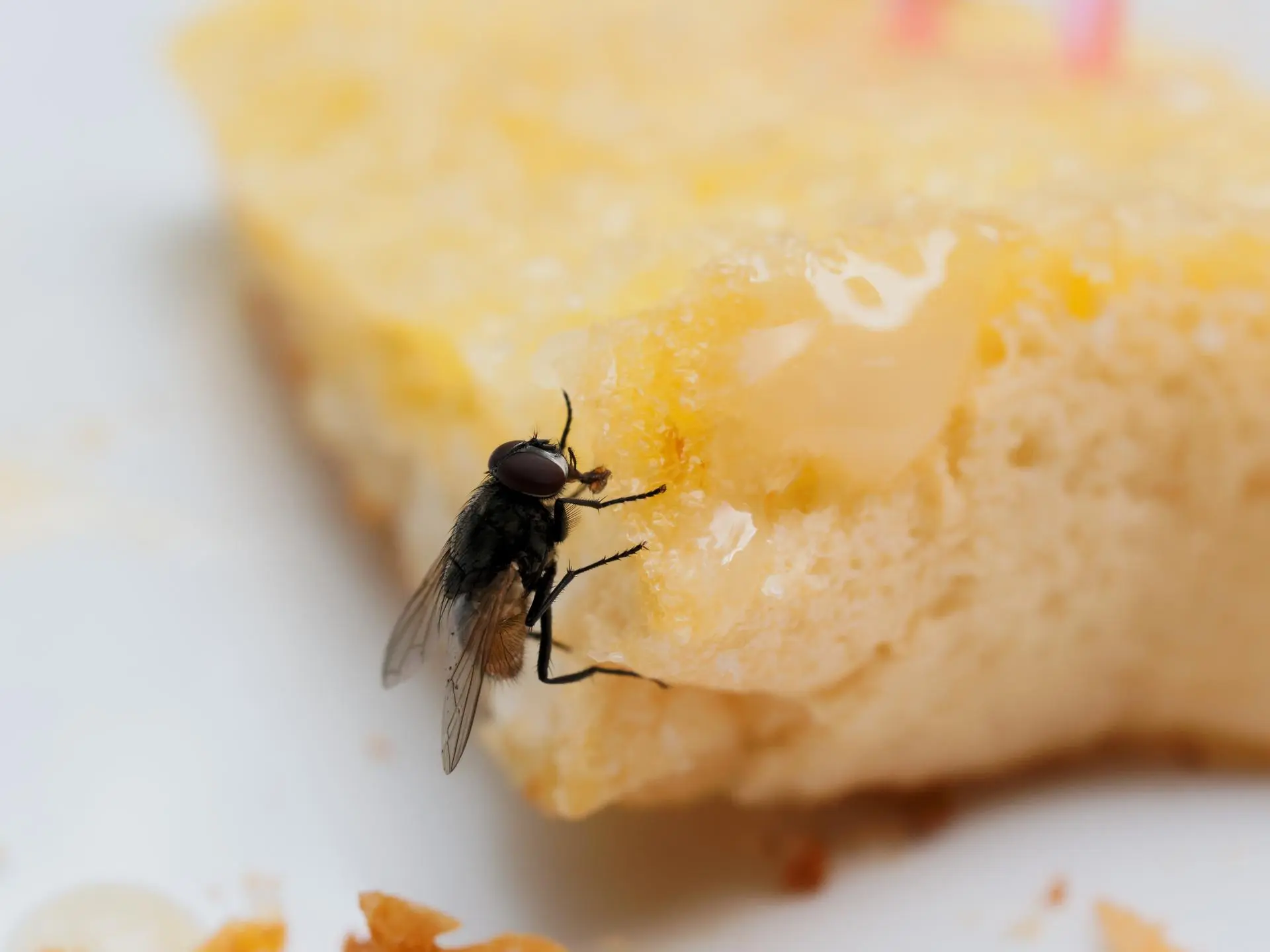
House flies are more than an annoyance around a meal. They regularly visit refuse, animal waste, decaying organic material, and other unsanitary locations, then may enter food-preparation spaces. One fly landing nearby does not mean a person will become ill, but frequent fly activity around ready-to-eat food is a good reason to improve cleaning and food protection practices.
Fly prevention also fits into everyday food-safety habits: cleaning surfaces, separating raw foods from ready-to-eat foods, cooking properly, and chilling perishables promptly. The CDC recommends these four basic food safety steps to reduce the risk of foodborne illness at home.
How Flies Spread Contamination
Flies can pick up material on their bodies, legs, wings, and mouthparts as they move through their environment. They may also leave droppings or feeding fluids behind. A fly can move from a trash container to a kitchen counter in seconds, which is why exposed food, serving utensils, cutting boards, and pet dishes deserve attention when flies are active.
The practical response is straightforward. Do not panic over a single brief encounter, but clean food-contact surfaces after repeated fly activity and keep food covered whenever it is waiting to be served. Reducing access is more effective than reacting after every fly enters the room.
Where House Flies Breed
Adult flies are often the visible part of a larger issue. Their breeding source may be outdoors, inside a container, or hidden in an overlooked area. In Illinois summers, warm conditions can make neglected organic material particularly attractive.
Common Sources To Inspect
- Overfilled garbage cans or bins with liquid and food residue at the bottom.
- Unbagged pet waste in yards, kennels, or litter areas.
- Compost containers without secure lids.
- Rotting fruit, forgotten potatoes, onions, or produce stored too long.
- Unrinsed recycling that contains food or beverage residue.
- Slow drains with organic buildup, particularly when small flies are present.
- Dead rodents or birds in attics, crawl spaces, wall voids, or chimneys.
- Outdoor dumpsters located close to doors, patios, garages, or loading areas.
Signs Of A Growing Fly Problem
A few flies after an exterior door is opened may be normal. Ongoing activity calls for a closer look. Watch for these signs:
- Flies appear indoors every day, even after cleaning.
- They gather near one window, doorway, light fixture, or room.
- New adult flies show up soon after the visible ones are removed.
- Small dark specks or pale marks appear on walls, windows, or nearby surfaces.
- Maggots are found near trash, drains, pet waste, or damp organic debris.
- Fly activity continues during cooler weather, which can indicate an indoor source or a different type of fly.
A Seven-Step Prevention Plan
- Remove food sources. Wipe spills promptly, seal pantry goods, and avoid leaving ripe produce exposed for long periods.
- Wash trash bins. Empty indoor trash regularly and scrub residue from the sides, lid, and bottom of containers.
- Secure outdoor waste. Keep lids closed and place garbage containers as far from exterior doors as practical.
- Manage pet waste. Pick it up frequently, especially during warm or humid stretches.
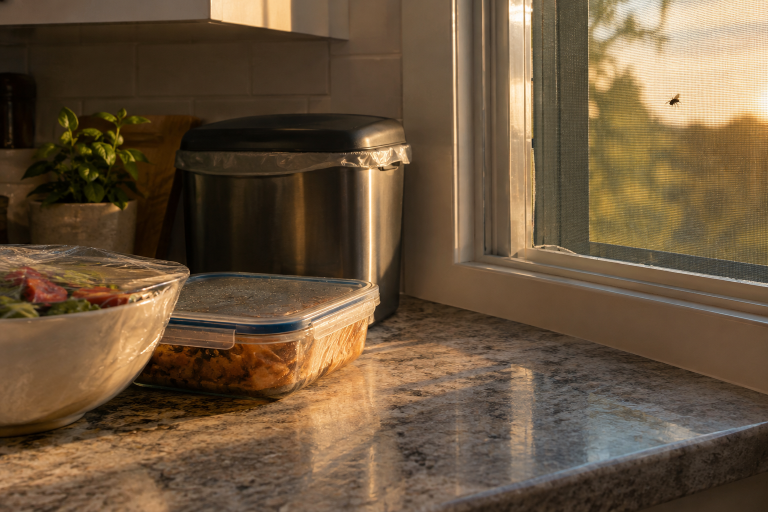
- Check screens and doors. Repair torn screens, add or replace door sweeps, and avoid propping doors open.
- Clean drains appropriately. Remove visible buildup and address slow-draining fixtures that collect organic material.
- Inspect hidden areas. If flies continue to return, check attics, crawl spaces, utility rooms, and areas around plumbing or vents.
Protecting Food And Food-Contact Surfaces
Cover prepared dishes until serving time, refrigerate soft or overripe fruit when possible, and do not leave pet food available all day. Wash counters, tables, cutting boards, and utensils after fly activity, particularly before preparing another meal. If food has had repeated fly contact or visible contamination, discarding it is the cautious choice.
Do not use smell or appearance alone to decide whether food is safe. A clean preparation area, covered dishes, handwashing, and prompt refrigeration offer more dependable protection than trying to judge food after it has been exposed.
When Traps Help And When They Do Not
Sticky traps, baited traps, and similar products can reduce the number of adult flies and help reveal where activity is concentrated. Place them away from food-preparation areas and avoid positioning attractive traps immediately beside an entry door. A trap can catch adults, but it cannot remove eggs, larvae, or the decaying material that supports them.
A more lasting approach combines sanitation, exclusion, monitoring, and limited treatment when needed. The EPA describes integrated pest management as a prevention-focused method that can reduce reliance on pesticides. If using any pesticide product, follow its label directions and keep it away from food, children, and pets.
When To Call For Help
Seek professional evaluation when flies keep appearing after cleaning bins, securing food, managing waste, and repairing likely entry points. A sudden increase may point to a hidden animal, a drain problem, an overlooked waste source, or a structural opening. Restaurants, offices, and other Illinois businesses that handle food should act quickly, as visible fly activity can disrupt sanitation routines and undermine customer confidence.
Lasting fly control begins with the source. Keep food areas clean, protect meals and pet bowls, manage waste, repair screens, and investigate unusual activity early. Those steps can make a home or workplace far less inviting to flies throughout the warm season in Illinois.