
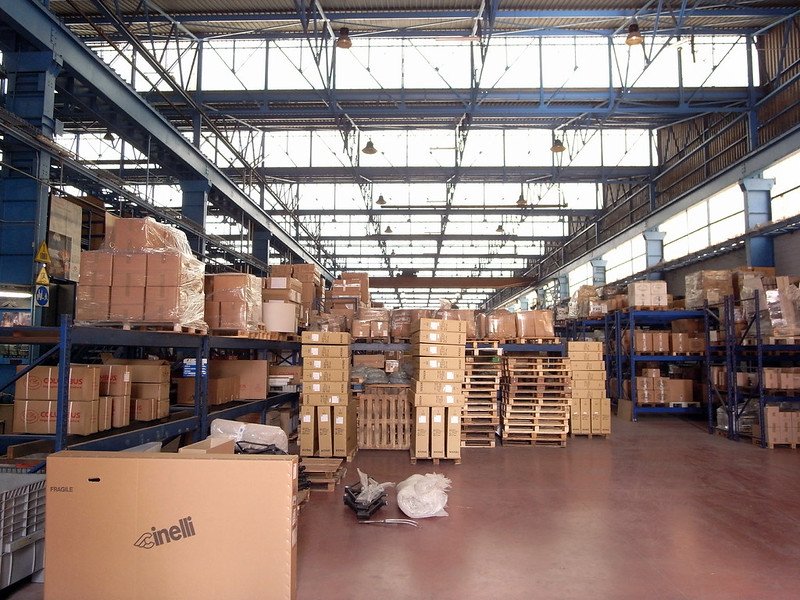
A third-party warehouse can store stock, handle pallet movements and, where included in the agreement, fulfill orders on your behalf. Late or incorrect shipments still affect your customer relationships. Choosing a warehousing and distribution partner is therefore a decision about service as much as space.
Contents
How will we see inventory and keep counts accurate?
Find out which warehouse management system runs the building and how you’ll see stock. A good answer includes live counts by SKU and lot, plus a portal or feed that connects to your ERP or order system without manual emails or phone calls. Agree how current the information needs to be for your operation and how inventory exceptions will be reported. Ask how often cycle counts happen and what accuracy they maintain across clients. If they can’t quote an accuracy number or explain how they fix errors, keep looking.
Ask how they receive pallet freight and assign slots. Strong teams check pallets at the dock, recording any overages or damage at once. They place goods where pulls are fast. Sloppy receiving creates shortages you won’t catch until orders fail. Throughput starts with receiving, well before goods reach the outbound dock.
Ask how pick-and-pack work is checked. Ask how scans, count checks or other controls are used for your particular order types. Ask whether error rates are tracked by activity or shift and how those records guide corrective action. Ask what the rate was last quarter and what changed after mistakes. Promises aren’t enough. You want a process you can audit.
What are the storage conditions and facility standards?
Ask to walk the floor before you sign. Look for clean aisles and intact racking, along with active cameras and controlled dock access. Ask who can enter after hours and how visits are logged. A tidy building with access controls says more than any sales deck.
Ask where your product will sit and how heat and humidity are controlled. If you need ambient storage, confirm airflow and pest control. If you need cooler storage, ask about separate zones and alarms. Ask what happens in a power cut and how long goods stay safe.
Discuss insurance and responsibility if goods are lost or damaged. Review liability limits, exclusions and your own cargo coverage with an adviser; warehouse liability does not automatically cover full stock value. If rapid transfers matter, ask whether cross-docking is available and how it would work for your shipments.
How will throughput and seasonal peaks be covered?
Ask about throughput, not just square footage. A building can be large yet slow if it lacks dock doors and trained staff. A good provider will quote daily inbound and outbound pallet counts and explain how they staff a second shift when volume jumps. A capable 3PL warehouse pairs pallet storage with outbound distribution under one roof. Ask how they schedule trucks and how far their network reaches.
Find out where peak labor comes from and how fast they can scale. You want trained temps with clear supervision rather than new hires learning the job on your busiest day. Ask if overflow space is on site or miles away. Moves between sites cost time and raise damage risk.
Ask how outbound distribution is run. You need clear cut times and proof of on-time departure. Ask which carriers they use daily and if they consolidate loads. Late trucks shouldn’t be yours to chase each week.
Square footage alone tells you almost nothing about how the operation will perform.
How are performance targets and fees defined?
Ask for the measures to be set out in writing. At minimum, demand order accuracy and on-time shipping with clear math behind each rate. Good contracts set a target and explain how misses are counted. They state credits or fixes when results fall short. Soft promises without remedies won’t help when orders go wrong.
Get the full fee model before you compare quotes. Pallet storage and receiving are often priced separately from pick work and admin fees. You need to see monthly storage by pallet and inbound charges by load. Get outbound charges by order or pallet in writing. A low storage rate means little if handling fees eat your margin.
Ask how billing is supported. You should get detailed invoices by activity and logs you can match to bills. Vague monthly totals hide overcharges. Clear supporting records let your team spot issues fast.
How are problems, returns and exit handled?
Ask how damage and shortages are handled day to day. You want photos and quick alerts on the same day. You also want a clear claim process with named contacts. Ask who runs returns and how fast credits are sorted.
Ask if kitting and labeling stay in house. Off-site handoffs may add transport and coordination; establish the lead time and who remains accountable for the work. You want one team that owns the job from receipt to dispatch.
Ask how you can leave if the fit is poor. Get notice periods and removal timelines in writing. Confirm you keep access to inventory records and order history after termination. If a provider hedges on exit or data, take that as your answer.
Ask what data you keep on day one after exit. Order files and inventory logs should come in a usable form, not PDFs you can’t sort. Lock-in through data is still lock-in.
Outsourcing puts stock handling and part of the customer experience in another team’s hands. Compare written answers against your actual requirements before selecting a partner.